


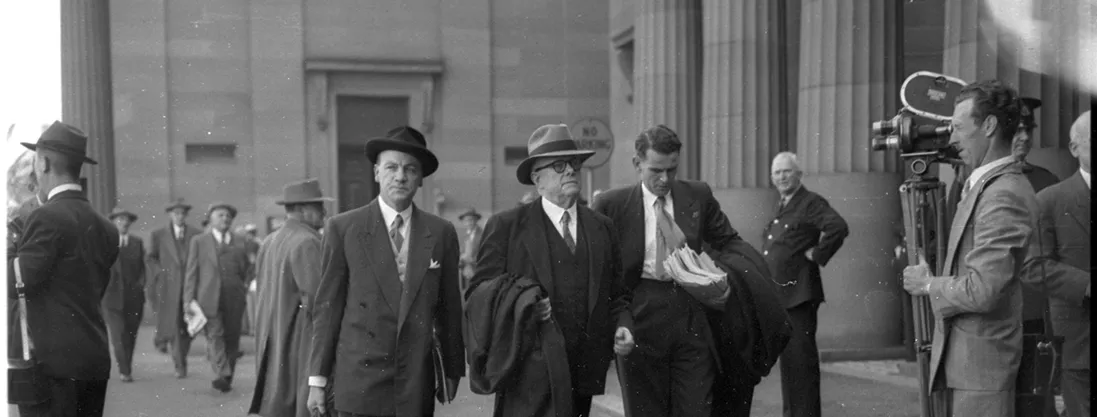
What is a royal commission?
- DateThu, 04 Aug 2016
Your guide to royal commissions and why we have them in Australia.
Whenever there is a very serious issue in our public life – especially when it involves possible illegal activity, impropriety or incompetence – there are calls for a royal commission to look into the matter.
What are royal commissions and why do we have them?
Royal commissions are the highest form of public inquiry in Australia, appointed to investigate specific issues, and they have powers often not available to other types of inquiries. They can provide advice and options to governments or they can be inquisitorial – focused on getting to the truth of an issue – usually one involving allegations of wrongdoing but also following a major disaster.
Royal commissions have broad powers to gather information. They can call and cross-examine witnesses and offer indemnities to them, obtain evidence, and have rights of entry and surveillance. And, contrary to common law, there is no protection against self-incrimination for those who appear before a royal commission. But they are not judicial; they bring down no verdicts. Governments see royal commissions as a 'last resort', to be called on when all other bodies are felt to be unsuitable.
What is unique about royal commissions?
What makes a royal commission different from other public inquiries is that they are created under legislation that confers on them specific powers of investigation. For the Commonwealth this is the Royal Commission Act 1902, one of the earliest pieces of legislation passed by the parliament of newly federated Australia. A commission is created by the governor-general on the advice of the government and formally appointed by 'letters patent'. One effect of this is that once appointed, the government cannot stop it – so governments frame the terms of reference very carefully and include a date by which it must finish (although extension can be negotiated). Commissions are usually chaired by one or more notable figures. Often these are retired or serving judges. And because the formal titles of the commissions are often long and complex their reports are often known by the name of the commission's chair.
How frequent are royal commissions?
The first Commonwealth royal commission was in 1902 and investigated the mistreatment of troops returning from the Boer War in the SS Drayton Grange. Governments are usually sparing in their use of royal commissions – the average is just over one per year. Between 1910 and 1929 there were 54 royal commissions – just under three per year on average, while the Whitlam Labor government established 13 over its three years in power.
Why are they called 'royal' commissions?
In formal terms they're 'royal' because of the letters patent issued from the Crown, represented by the governor-general. But little beyond that. In 2009, the Australian Law Reform Commission found only that the 'royal' should remain 'for reasons of status and perceptions of independence'.
You may also be interested in...

Eight by-elections that changed the game
A by-election can indicate that change is coming for a political party.

Transition of power – what’s the difference between Australia and the United States?
How Australia compares to the USA during transitions of power.
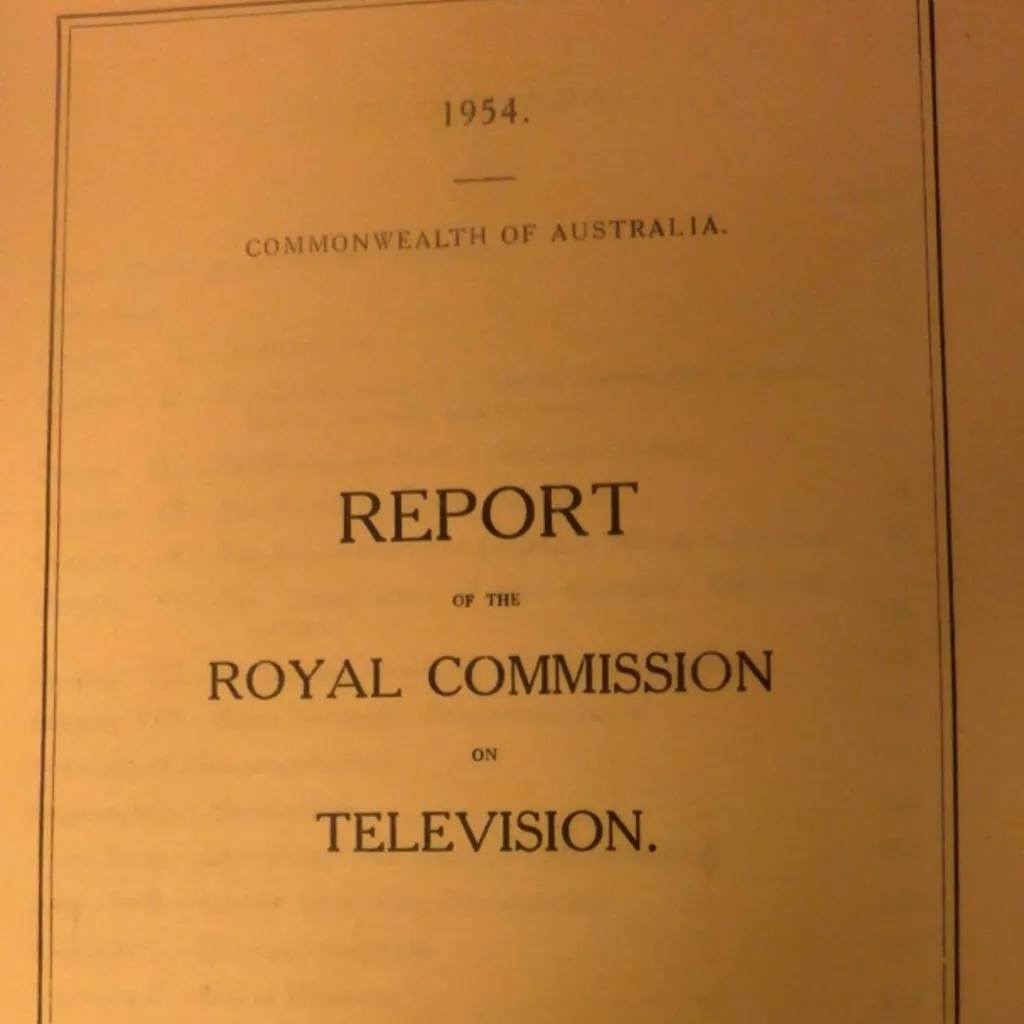
Royal commissions: what are they and how do they work?
A look at how royal commissions are designed to work in Australia.
The families from number 18
A look back at family life in Old Parliament House.
What is a vote of no confidence?
Why Australia has the 'vote of no confidence' option.
Dr Evatt Goes to San Francisco
How the United Nations was formed.
